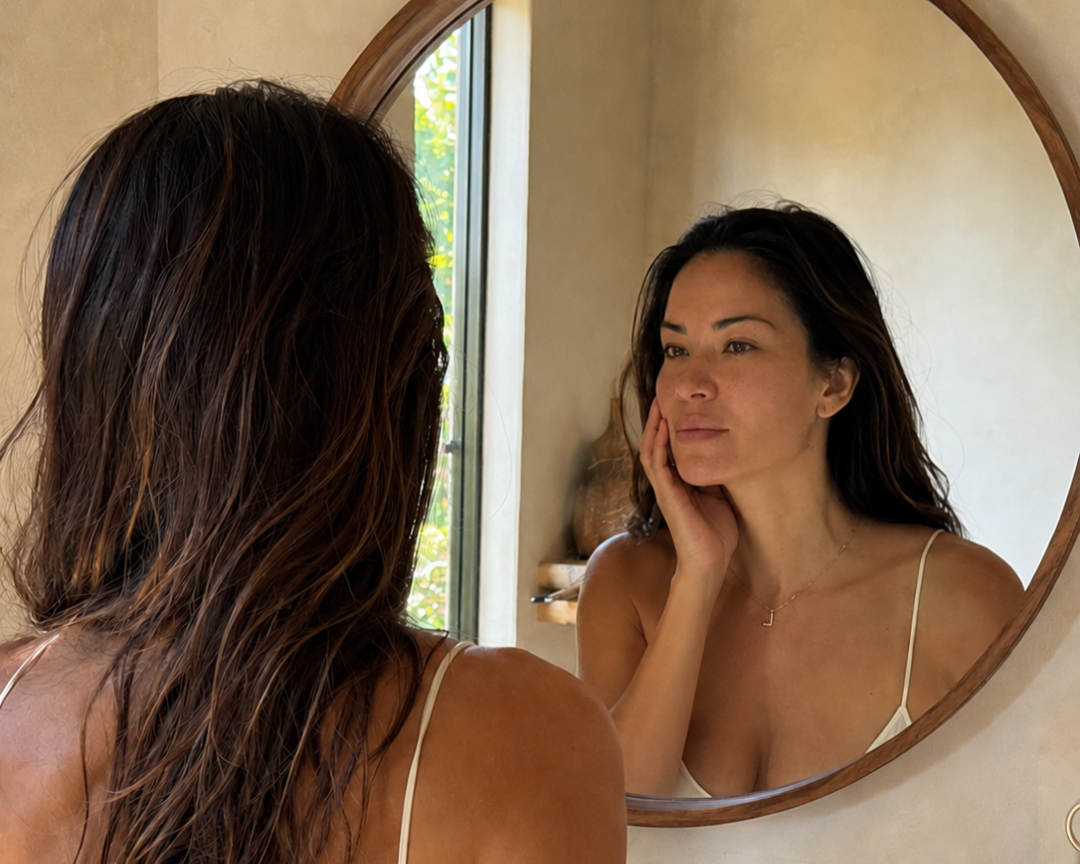
THE HAPA METHOD
Look like the most rested version of yourself.
Your face changes with stress, tension, puffiness and age, but most women are only taught to cover it up or buy another fix.
The Hapa Method teaches you how to work with your face instead, using Japanese-inspired lifting techniques you can use for life.
Just 10 minutes a day. Just your hands.
WHAT IS THE HAPA METHOD?
Your face, lifted and defined.
No tools. Just your hands.
You wake up puffy. Your face feels heavy, your jawline is softer, and you look tired even on days you're not. It isn't just aging. It's fluid that isn't draining, tension in your neck and jaw, and support muscles that have stopped holding things up. Skincare can't reach any of that.
The Hapa Method is a Japanese-inspired facial lifting program that shows you exactly how to release it. Guided lessons that teach you which areas to release and which to strengthen, so you always know what your face needs.
For $67, it's yours for life. Just 10 minutes a day to less puffiness, softer lines, and a naturally lifted face that looks like the most rested version of you.
The Face Ages As a System
A Japanese-inspired facial lifting program designed to address the areas that have the greatest influence on how your face naturally looks, feels, and ages.
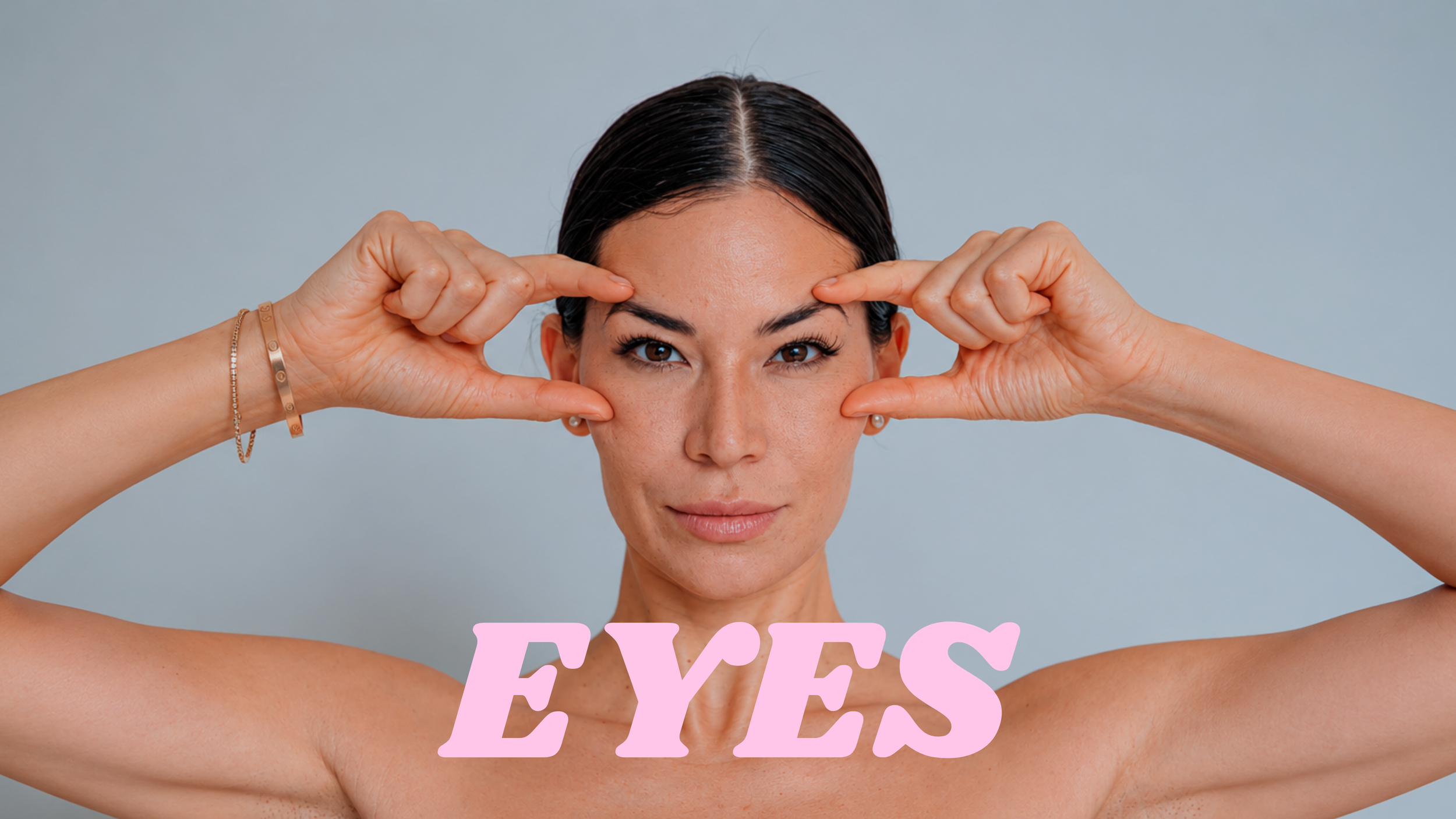
Eye lift · Under-eye puffiness • Orbital tension · Lymphatic drainage
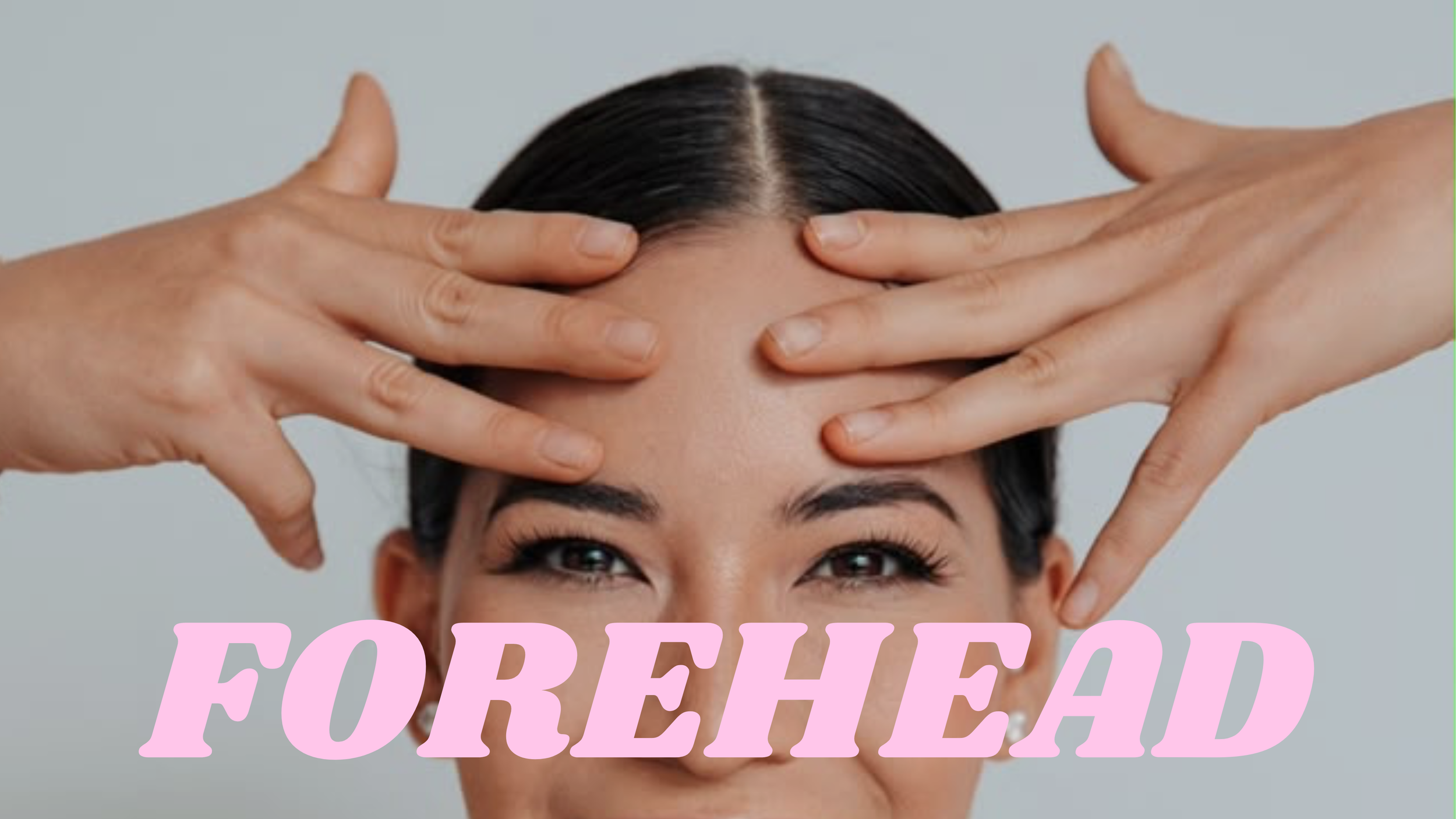
Forehead lines · Brow lifting · Frontalis tension · Smoothing techniques

Nasolabial folds · Cheek lifting · Jowl prevention · Facial fascia release
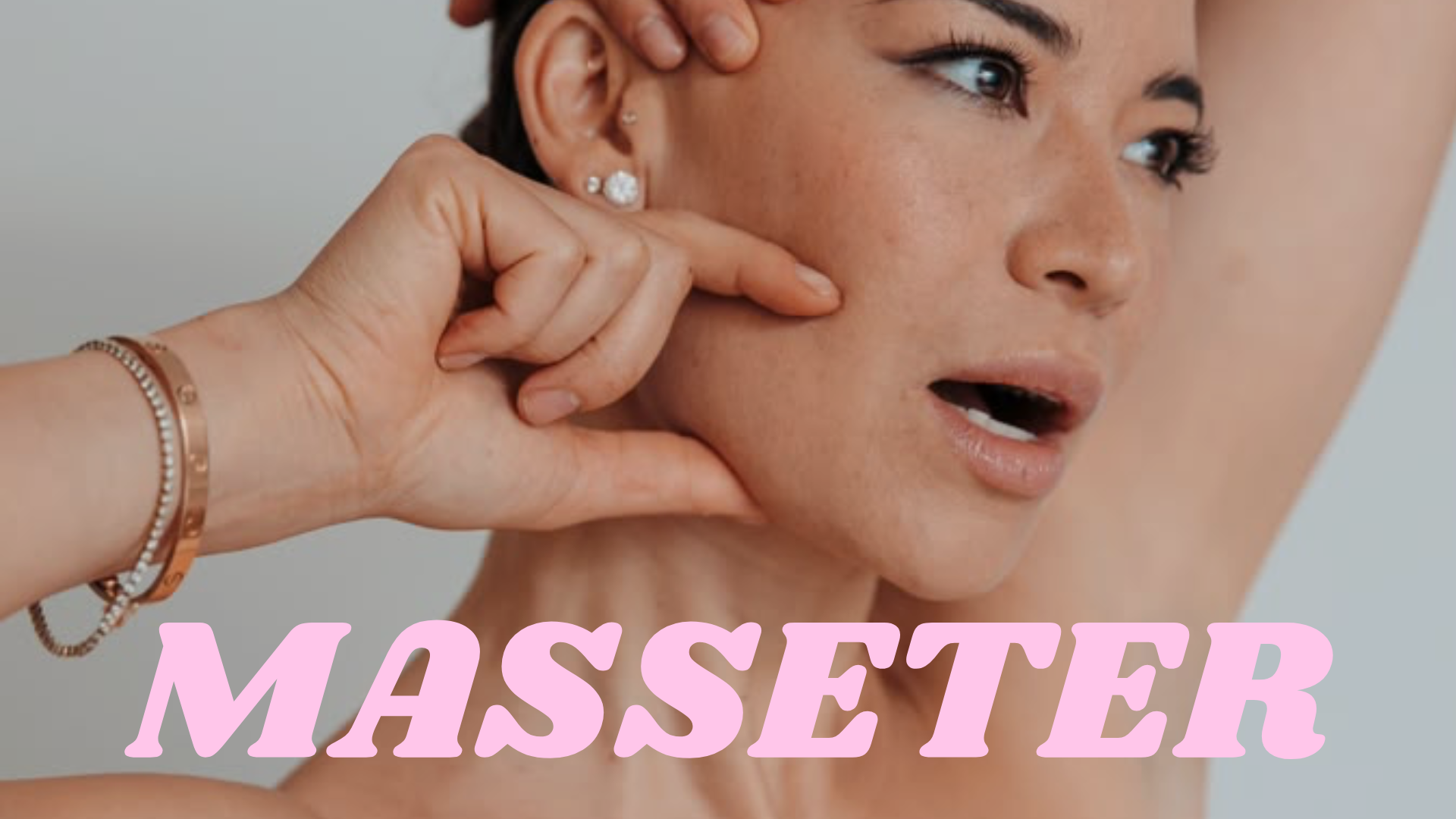
Jaw release · TMJ tension · Jawline sculpting · Masseter relaxation
What changes when you follow The Hapa Method
Picture yourself a month from now:
Your eyes open in the morning without the puff.
Your jawline is back, and people start asking what you've done.
Your forehead is smoother and your brows sit higher.
You catch your reflection and see someone who looks rested.
You have a 10-minute targeted rituals that's yours for life.
No appointments, no refills.
BEFORE & AFTER
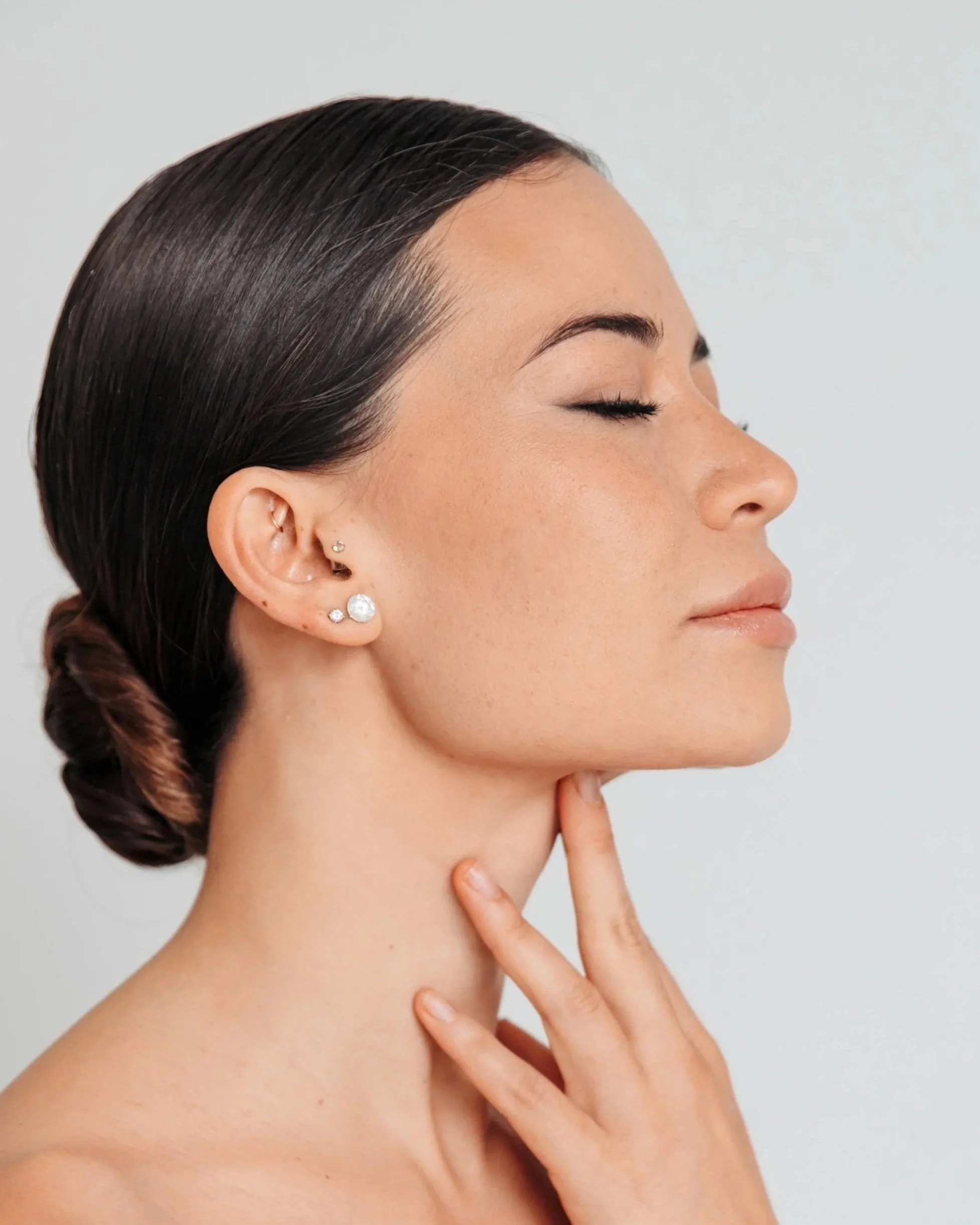
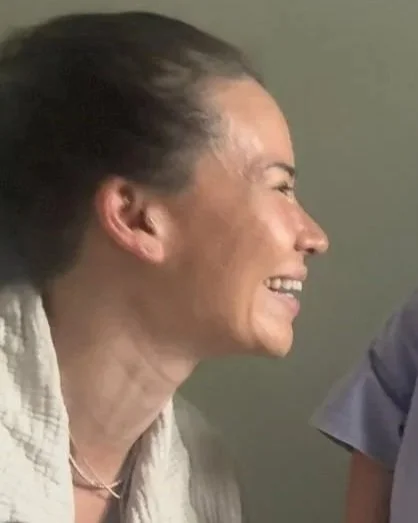
Real results from real members
Thousands of women have discovered a completely different approach to facial aging.
Okay I was fully a skeptic. I thought there was no way massaging my face was going to do anything noticeable. But after about three weeks I started getting comments from people asking if I'd done something different. I hadn't. Just the massage. My jawline looks more defined and I genuinely can't explain it.
— Sarah M.The puffiness under my eyes was gone so fast I thought it was a coincidence. I actually stopped for a few days just to test it and sure enough it came back. That was the moment I was like okay this is real. I haven't missed a day since.
— JamieI kept waiting for it to get complicated or for there to be some catch…. There wasn't?? Literally just my hands and maybe ten minutes and my face looks so much better. My husband noticed before I did which honestly says everything. I haven't changed anything else in my routine.
— Dina T.Frequently Asked Questions
-
Yes. Facial massage works for the same reason physical therapy works — your face is made of muscles, fascia, fat pads, and lymphatic pathways, and these tissues respond to targeted, consistent work. Most visible changes in the face come from chronic tension, restricted circulation, and weakened muscle tone — not from aging alone. When you release tension, stimulate lymphatic flow, and restore natural lift, the face changes. With consistent practice, people notice less puffiness, softened lines, more definition, and a lifted appearance — even in their 40s, 50s, and beyond.
-
The Hapa Method is a four-lesson facial massage program rooted in Japanese wellness philosophy. Each lesson targets one of the four areas that age your face the most — Eyes, Forehead, Masseter, and Smile Lines — with guided massage techniques you can do at home with your hands. When you join, you get lifetime access to all four video lessons, a downloadable module for each chapter, and the ability to revisit your practice anytime.
-
Some changes — like reduced puffiness and a more refreshed appearance — can happen within the first few sessions, as lymphatic circulation improves almost immediately. Deeper results like visible lift, softened lines, and improved definition take more time, because your current facial shape reflects years of habits and tension patterns. With consistent daily practice, most people notice meaningful changes within two to four weeks.
-
The results you build come from releasing chronic tension, improving lymphatic flow, and restoring muscle balance — so they don't disappear overnight. If you stop completely, your face will gradually return to old habits over time, just as the body does when you stop exercising. Because you have lifetime access, you can always return to your practice. Even a few minutes of maintenance a few times a week is enough to hold your results.
-
Yes. The Hapa Method is safe to practice alongside Botox, fillers, and most aesthetic treatments. Facial massage supports the natural function of your muscles and fascia, which can help treatments settle more harmoniously. The only precaution: avoid direct pressure on freshly injected areas for two weeks after treatment.
-
No. Everything in The Hapa Method is designed to be done with your hands only. Your hands give you the most precision, control, and sensitivity over your muscles and fascia. All you need is a mirror and clean hands. Gua sha, jade rollers, and other tools can be a nice addition later, but they are never required and will not replace what your hands can do.
-
Each lesson is designed to be short enough to fit into a real daily routine. You can practice one lesson at a time or work through all four in a single session. Most people incorporate their practice before or after their skincare routine — it takes no extra time to set up and no equipment to prepare. Once learned, the techniques around ten minutes or less and can be done anywhere.
-
Free videos show isolated exercises. Isolated movements rarely change the face in a meaningful or lasting way. The Hapa Method follows a structured approach rooted in Japanese wellness principles — each lesson builds on the last, targeting specific anatomy in the correct sequence so your face can genuinely lift, drain, and rebalance. It is not a collection of random techniques. It is a complete method with a clear order and a clear purpose.
-
Yes. You do not need any prior experience with facial massage or wellness practices. Every lesson includes clear, step-by-step guidance — where to place your hands, how much pressure to apply, and what you should feel. The techniques are gentle, intentional, and designed to be learned progressively.
Your face. Your ritual.
Your method.
The rituals that change your face are simpler than you think.